
Pressure washing before painting matters because paint cannot properly bond to a surface covered in dirt, chalking residue, mildew, or pollen, and skipping this step is one of the fastest ways to cut a fresh paint job’s lifespan in half. In Gresham and the greater Portland area, where damp weather encourages mildew and algae growth on siding year round, this step matters even more than it does in drier climates.
If you’ve ever wondered why some exterior paint jobs peel within two or three years while others last a decade, the answer often traces back to what happened, or didn’t happen, before the first coat went on. Paint is only as good as the surface underneath it. Here’s what’s actually going on and why this step shouldn’t get skipped, rushed, or treated as optional.
What’s Actually on Your Siding Right Now
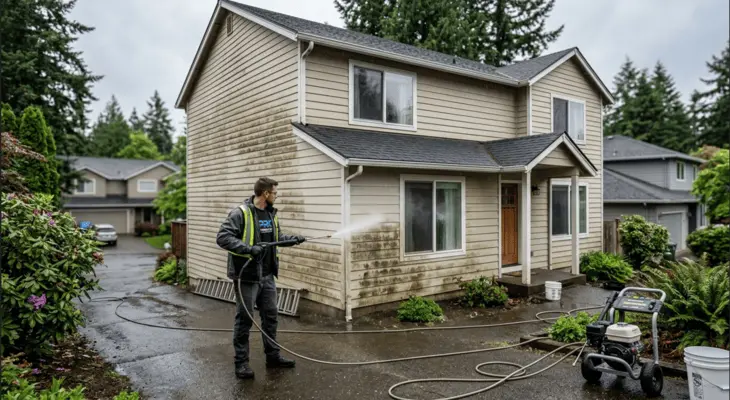
Even a house that looks reasonably clean from the street usually isn’t clean at the surface level paint needs. A few things build up on exterior siding over time, especially in a climate like Gresham’s.
Chalking. As paint ages, it breaks down into a fine powdery residue on the surface. This chalking layer prevents new paint from gripping the siding underneath, no matter how good the new paint is.
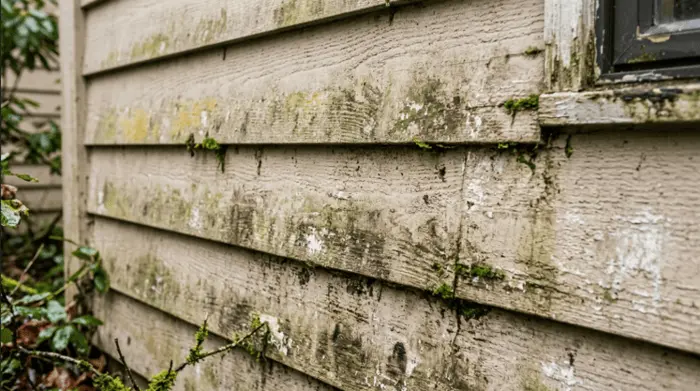
Mildew and algae. Gresham’s shaded, damp winters create ideal conditions for these to take hold, especially on north facing walls and areas with tree cover. Painting directly over mildew doesn’t kill it, it just seals it in, and it will often continue growing and staining right through the new coat.
Dirt, pollen, and airborne residue. Dust, pollen, and general grime settle into siding texture over months and years, creating a barrier between the surface and any new paint applied on top of it.
Loose or peeling old paint. Prior coats that have started to fail need to come off, not just get painted over, or the new paint job will fail in the exact same spots almost immediately.
Why This Step Is Not Optional
Paint adhesion depends entirely on direct contact between the paint and the surface. Any layer of dirt, chalk, or organic growth sitting between them acts like a buffer, and no amount of paint quality can compensate for that. This is why professional painters treat pressure washing, or the right cleaning method for the surface, as a mandatory first step rather than a nice to have.
Skipping it doesn’t save time in any meaningful way either. It just moves the cost down the road, since paint applied over a dirty surface typically fails within a couple of years instead of the seven to ten years homeowners expect, which means paying for the whole job again far sooner than necessary.
Pressure Washing vs Soft Washing: Which One Your House Needs
Not every surface should be blasted with the same amount of pressure, and using the wrong method can do more harm than the dirt it’s removing.
| Method | Best For | Why It’s Used |
|---|---|---|
| Soft washing | Vinyl, painted wood, stucco, fiber cement | Uses lower pressure with a cleaning solution to lift dirt and kill mildew without damaging the surface |
| Pressure washing | Brick, stone, concrete, masonry | Higher pressure needed to remove stubborn buildup on harder, more durable materials |
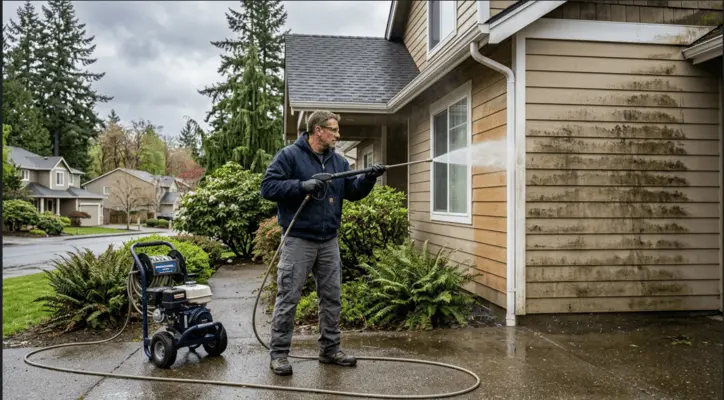
Wood siding in particular can be damaged by high pressure water, forcing moisture into the grain or stripping away more material than intended. A painter who understands the difference will match the method to your specific siding rather than defaulting to maximum pressure across the whole house.
The Part Most Guides Skip: Drying Time in a Climate Like Gresham’s
This is where a lot of DIY attempts, and even some rushed professional jobs, go wrong. After washing, the surface has to dry completely before any primer or paint goes on. Painting over damp siding traps that moisture underneath the new paint film, which leads directly to blistering, bubbling, and premature peeling, the exact problems pressure washing was supposed to prevent in the first place.
In a drier climate, that might mean a day. In Gresham, where humidity lingers and shaded walls get limited direct sun, full drying can take anywhere from two to five days depending on the season, the wall’s sun exposure, and how much moisture the siding material absorbed. Wood siding holds moisture longer than vinyl or fiber cement, and north facing walls dry noticeably slower than south facing ones. A painter who’s used to this climate builds that drying window into the project schedule instead of guessing.
What Can Go Wrong With DIY Pressure Washing
Renting a pressure washer and doing it yourself is possible, but it comes with real risk, especially on an older Gresham home.
Using too much pressure or the wrong nozzle can strip paint unevenly, gouge wood siding, or force water behind trim and siding panels where it has no way to escape.
Spraying too close to windows, vents, or electrical fixtures can cause water intrusion issues that go well beyond a paint problem.
Homes built before the 1980s may have lead based paint on earlier layers, which requires controlled washing methods and proper cleanup to avoid spreading hazardous debris.
Skipping proper technique on wood siding can raise the grain or force moisture deep into the material, extending drying time far beyond what’s expected.
What a Proper Pre Paint Wash Actually Includes
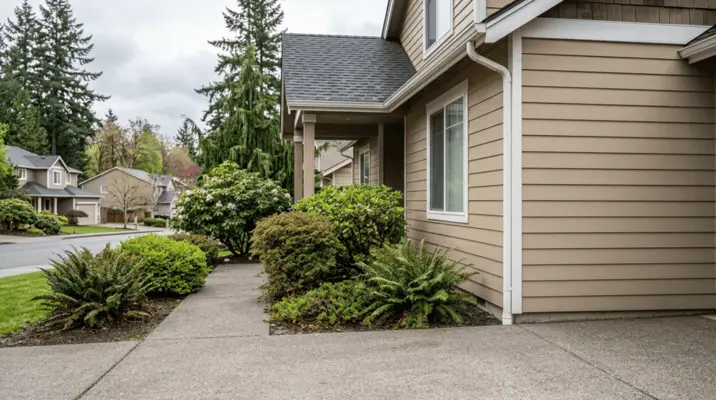
A thorough pre painting wash isn’t just running a hose attachment over the house for ten minutes. It typically includes identifying problem areas like mildew heavy walls or heavily chalked sections ahead of time, choosing soft washing or pressure washing based on the specific siding material, using an appropriate cleaning solution to actually kill mildew and algae rather than just rinsing it away temporarily, working carefully around windows, doors, outlets, and vents, and allowing enough dry time before any prep work like scraping, sanding, or caulking begins.
Frequently Asked Questions
Do I really need to pressure wash before painting if the house doesn’t look dirty?
Yes. Chalking residue, pollen, and early mildew growth are often invisible from a distance but still prevent paint from bonding properly. A clean looking house isn’t the same as a paint ready surface.
How long should I wait to paint after pressure washing in Gresham?
Plan for at least two to five days depending on the season, wall orientation, and siding material. Wood siding and shaded, north facing walls typically need the longest drying time.
Can pressure washing damage my house?
Yes, if the wrong pressure or method is used on a sensitive surface like wood siding. This is why many professionals use soft washing on wood and vinyl and reserve higher pressure for brick, stone, and masonry.
Is soft washing as effective as pressure washing?
For most residential siding, yes. Soft washing uses a cleaning solution to kill mildew and lift dirt at the root, often outperforming high pressure alone while being gentler on the surface.
What happens if paint gets applied over a damp surface?
Moisture trapped underneath the new paint film leads to blistering, bubbling, and early peeling, often within the first year or two, which defeats the purpose of washing in the first place.
Start Your Exterior Paint Job the Right Way
A great paint job starts before a single drop of paint touches your house. Prestigious Painting includes proper pressure washing or soft washing, matched to your home’s specific siding, as a standard part of every exterior painting project across Gresham and the greater Portland area. Reach out for a free estimate and we’ll walk you through exactly what your home needs before we paint.